A Guide to Safe use of Ceramic Tableware


09 Jan 2025
Introduction
Heavy metals can occur in ceramic tableware due to certain materials and production processes. While this is unavoidable, modern manufacturing standards and regulations help ensure that these levels remain within safe limits. In this article, we'll explore how ceramic tableware is made, the safety measures in place, and simple tips for using your favourite ceramic dishes and teacups safely.
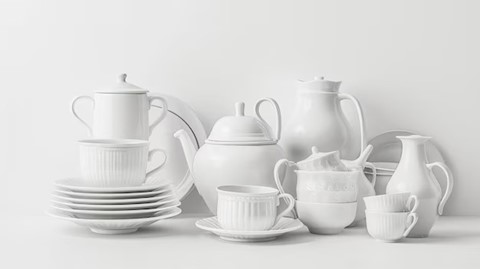
Image by Freepik
What is ceramic tableware?
Ceramic tableware, commonly used to serve food and drinks, is made from a mixture of clay and water. During the manufacturing process, it is hardened by heating to high temperature, and glazed to produce a non-porous, waterproof surface, making it suitable for holding food and drinks.
Is ceramic tableware safe?
Clay and other raw materials used in ceramics naturally contain trace amounts of metals, like lead and cadmium found in soil and rock formations. During the manufacturing process, heavy metals may also be introduced through glazes, pigments, and decorative elements that traditionally use metal-based compounds for colours and shine.
Unsafe use of ceramic tableware, such as using scratched tableware, increases the likelihood of heavy metals migrating into food and drinks. Long-term exposure to high levels of heavy metals is associated with various health concerns, such as higher risk of cancers, high blood pressure, and kidney damage, particularly in vulnerable people like pregnant women, young children, the elderly, and the immunocompromised.
Nonetheless, ceramic tableware is generally safe to use when it is manufactured properly. In Singapore, ceramic tableware that are imported, used, or sold must comply with the Food Regulations. This includes adhering to specific migration limits (SMLs) for heavy metals, such as lead. SFA conducts testing on ceramic tableware to ensure they adhere to SMLs and are safe to serve food and drinks for consumption.
It is also the responsibility of the manufacturers to ensure that their ceramic tableware do not migrate any harmful substances into food and that they are safe for their intended use.
Tips on purchasing and using ceramic tableware
To ensure the safe use of ceramic tableware, consumers should adhere to the following tips:
- Choose reliable sources: Consumers are encouraged to purchase tableware produced by trusted manufacturers.
- Avoid use of decorative or antique ceramic food ware: Painted surfaces may not meet current food safety standards as they may use glaze or paints that contain lead or cadmium.
- Proper cleaning: Use appropriate cleaning methods. Heavy brushing or scrubbing may damage the glaze and release more heavy metals.
References
- Food Packaging Materials. Chemistry of Foods, 2016.
- Risk assessment of eighteen elements leaching from ceramic tableware in China. Food Additives & Contaminants: Part B, 16:3, 209-218, 2023.
- Questions and answers on Lead-Glazed Traditional Pottery. US FDA, 2010. https://www.fda.gov/food/environmental-contaminants-food/questions-and-answers-lead-glazed-traditional-pottery

