Histamine in Fish


Soon Fang Min

09 Oct 2024
What is histamine and why is it found in fish?
Histamine is a toxic substance produced by certain bacteria when fish start to spoil or ferment into fish products. These bacteria naturally live on the skin, gills, and in the gut of freshly caught fish. The level of histamine in fish depends on the storage time and condition and the amount of histidine amino acid which are naturally higher in fishes like mackerel, sardine, tuna and anchovy. Without proper refrigeration and freezing, histamine can form at any point throughout the supply chain.
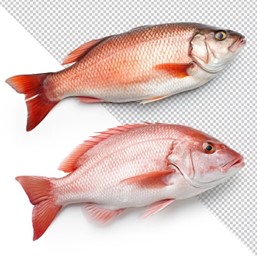
What are the risks of histamine?
Eating fish with high levels of histamine may result in intoxication, including skin flushing on the upper half of the body, rash, gastrointestinal complaints, and throbbing headache.
While heat treatment can kill the histamine-producing bacteria, it cannot destroy the histamine that was already formed. Hence, it is crucial to take appropriate measures to minimise histamine formation along the food chain.
Here are some tips for the industry:
- Maintain cold chain of fish and fish products (i.e. Refrigerate fish and fish products below 4°C)
- Minimise the time which fish and fish product are kept at room temperature
- Transport vehicles or vessels should be adequately equipped to keep fish cold and pre-chilled before loading
- Follow the guidelines from the Code of Practice for Fish and Fishery Products (CXC 52-2003), developed by the Codex Alimentarius Commission.
Here are some tips for consumers:
- Chill fish as soon as possible following purchase
- For prepackaged fish and fish products, store according to the instructions of the manufacturer.
- Consume cooked fish and ready-to-eat fish products immediately. If they are not consumed immediately, they should be kept under refrigeration and be finished as soon as possible. Fish placed at room temperature all day long can be recontaminated and histamine can be formed.
About the author
Soon Fang Min is a Scientist from the Risk Assessment and Communications Department of the National Centre for Food Science. She has attained a Bachelor of Science with Honours in Food Science and Technology from the National University of Singapore.

