Safe Use of Plastic Food Packaging


28 Jul 2021
What are plastics?
Plastic identification codes
| Plastic Identification Code | Type of plastic polymer | Properties | Common Packaging Applications |
|---|---|---|---|
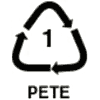 |
Polyethylene Terephthalate (PET, PETE) | Clarity, strength, toughness, barrier to gas and moisture. |
Soft drink, water and salad dressing bottles; peanut butter and jam jars
|
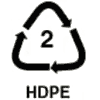 |
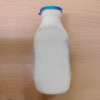
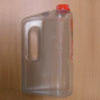
High Density Polyethylene (HDPE) | Stiffness, strength, toughness, resistance to moisture, permeability to gas. |
Milk, juice and water bottles; yogurt and margarine tubs; trash and retail bags.
|
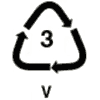 |
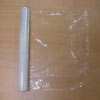
Polyvinyl Chloride (V) | Versatility, clarity, ease of blending, strength, toughness. |
Juice bottles; cling films
|
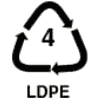 |
Low Density Polyethylene (LDPE) | Ease of processing, strength, toughness, flexibility, ease of sealing, barrier to moisture. |
Frozen food bags; squeezable bottles, e.g. honey, mustard; cling films; flexible container lids.
|
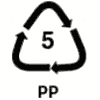 |
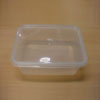
Polypropylene (PP) | Strength, toughness, resistance to heat, chemicals, grease and oil, versatile, barrier to moisture. |
Reusable microwaveable ware; kitchenware; yogurt containers; margarine tubs; microwaveable disposable take-away containers; disposable cups and plates.
|
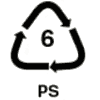 |
Polystyrene (PS) | Versatility, clarity, easily formed |
Egg cartons; disposable cups, plates, trays and cutlery; disposable take-away containers; yoghurt and margarine containers 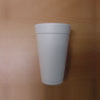 |
 |
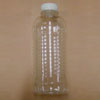
Other | Dependent on polymers or combination or polymers. |
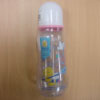
Beverage bottles; baby milk bottles.
|
Migration of chemicals from plastics
Chemicals that are used in the manufacture of plastic packaging or containers can migrate into foods during use. The quantities of migrating chemicals will depend largely on the nature of food, the contact temperature and the contact time. However, proper usage of the plastics will have insignificant or very low levels of chemical migration, which does not pose any health risk to consumers even after long-term use.
Legislation
Both the US and the European Union (EU) have very complex regulations covering the authorized chemicals including monomers that can be used in the manufacture of plastic packaging and containers. When necessary, these regulations also establish restrictions such as migration limits, on the use of these chemicals. The principles behind the regulatory rules of other countries are similar to those of the EU and US in that the plastic packaging material shall be in compliance with their national safety regulations or guidelines. To safeguard our consumers' health, the Singapore Food Regulations also stipulate that all food packaging imported for use in Singapore do not migrate any harmful substances to the food coming in contact with the packaging.
Safety tips for consumers when using plastic food packaging & containers

Plastics and conventional oven
- Unless indicated otherwise, plastic packaging used for commercial packing of food is not suitable for use in conventional ovens. They may catch fire or melt and resulting in chemical migration into foods.
- Reheat pre-cooked foods in a conventional oven only if they are sold in specially made "ovenable" packaging and oven reheating instructions are given by the manufacturer.
Plastics and microwave oven
- Only use plastic containers that are labeled as microwave-safe for microwave cooking or reheating. Do not use the container in a microwave oven if you are in doubt or unable to find the manufacturer's instructions for microwave use.
- Cold or freezer storage containers such as yoghurt, margarine and ice-cream tubs are not manufactured for reheating or cooking food in a microwave or conventional oven. They are not heat stable and chemicals from the plastic may migrate into the food during heating.
Plastic cling films
- Do not use cling films in conventional ovens or with pots and pans on cooker hobs where the films may melt into the food.
- Always follow the manufacturer's instructions on the proper usage of the cling films.
- Only use cling films designated as suitable for use in microwave oven.
- When re-heating or cooking food in a microwave oven, ensure that the microwave-safe cling film does not touch the food. If the film touches the food, the film could get overly hot and possibly melt or may migrate chemicals into the food.
Freezing, defrosting and cooking fresh produce in commercial plastic packaging
- It is safe to freeze meat directly in its original commercial plastic wrapping. For long storage, rewrap or over-wrap the meat tightly with moisture proof freezer bags to maintain the quality and texture of the meat.
- Do not defrost or cook the meat in its original commercial packaging in a microwave oven, as the plastic packaging may not be microwave-safe.
Reusing plastic packaging and containers
- Commercial plastic packaging that has been used for storing non-food items (e.g. detergents) should never be reused as food containers. They have not been tested safe for food storage and they may contain non-food residues that contaminate food.
- Plastic packaging that are used for commercial packing of food and takeaway plastic food containers used in eating outlets are disposable items designed for single use and are not intended for repeated storage of food. They are safe for their immediate intended purpose but not beyond what they are designed for.
- Only use those takeaway food containers that are labeled microwave-safe for reheating food in the microwave oven. They should not be reused for microwave heating.
- Plastic packaging for microwaveable convenience meals are designed for one time usage with the type of food packed in it and should not be reused for storing or microwave heating of food.
- Only use reusable plastic food containers (e.g., cups, plates, bowls, bottles and boxes used in household kitchens) for repeated storage of food. These containers have the sturdiness, thermal stability and other attributes needed for a reusable food container.
- Reusable plastic food containers can be subjected to wear and tear after a period of use. They should be replaced when they have turned cloudy or discoloured or if cracks or heavy abrasions start to appear.
Safe use of polycarbonate baby bottles to reduce your baby's exposure to bisphenol-A
- Do not put boiling water in baby bottles, as hot water causes bisphenol-A to migrate out of the bottle at a higher rate.
- Boiled water should be allowed to cool to lukewarm in a non-polycarbonate container before transferring to baby bottles.
- Baby bottles can be sterilized according to instructions on infant formula labels and should be allowed to cool before placing infant formula into them.
- Parents who are concerned about using polycarbonate baby bottles can turn to other alternatives such as glass bottles.

