Understanding the Silent Threat in Food - Cereulide


28 Apr 2026
Introduction
The recall of certain batches of infant formula products in early 2026 served as a timely reminder of the importance of vigilance against cereulide, a toxin produced by certain strains of Bacillus cereus (B. cereus). The incident highlighted that even in controlled manufacturing environments, food safety risks can emerge, reinforcing the need for robust preventive measures. This is especially so for products consumed by vulnerable groups such as infants. So, what exactly is cereulide, and why is it important to prevent its formation in food?
What is Cereulide?
Cereulide is a heat-stable toxin produced by certain strains of B. cereus, a bacterium that is commonly found in the environment. When these bacteria proliferate to high levels, they may produce toxins that could cause us to fall sick. What makes cereulide particularly concerning is that it has no smell or taste, so contaminated food may have a completely normal appearance.
What Happens If You Consume Food Contaminated with Cereulide?
While cereulide has historically been associated with starchy, carbohydrate-rich foods such as cooked rice, pasta, and noodles, the recent series of food recalls suggest that this toxin can be found in a much broader range of food products. Consumption of food contaminated with cereulide can cause symptoms such as nausea, vomiting, abdominal cramps, and diarrhoea. Symptoms typically appear within 30 minutes to six hours of consuming an affected food item and usually resolve within 24 hours. The illness will usually resolve on its own, but in rare cases, it can become severe and may require hospitalisation or intensive care. In extremely rare instances, it can even be fatal. Vulnerable populations, such as infants and people with weakened immune systems, are at higher risk for complications. Consumers are advised to seek medical attention promptly if their symptoms are severe or persistent.
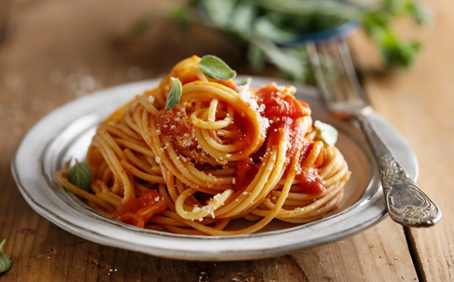

Images from Freepik
Safety of Cereulide
Scientists are still learning about the health effects of cereulide in humans. Food safety experts are constantly studying this toxin and there are currently no harmonised international maximum levels for cereulide in food. Recent research suggests that cereulide may cause health problems even at levels that don’t trigger symptoms such as vomiting. As such, current regulatory efforts are focused on preventing B. cereus growth and toxin formation as the primary means of control. The Singapore Food Agency (SFA) adopts a science-based risk management approach to ensure food safety in Singapore, and we will continue to monitor scientific developments on the safety of cereulide and review our regulatory standards when necessary.
As consumers, you can also play your part by exercising caution. Some food safety tips to protect yourself against B. cereus contamination can be found here.
References
(1) The Bad Bug Book, 2nd Edition
(2) Yang, S., Wang, Y., Liu, Y., Jia, K., Zhang, Z., & Dong, Q. (2023). Cereulide and emetic Bacillus cereus: Characterizations, impacts and public precautions. Foods, 12(4), 833.

