
Our Singapore Food Story 2
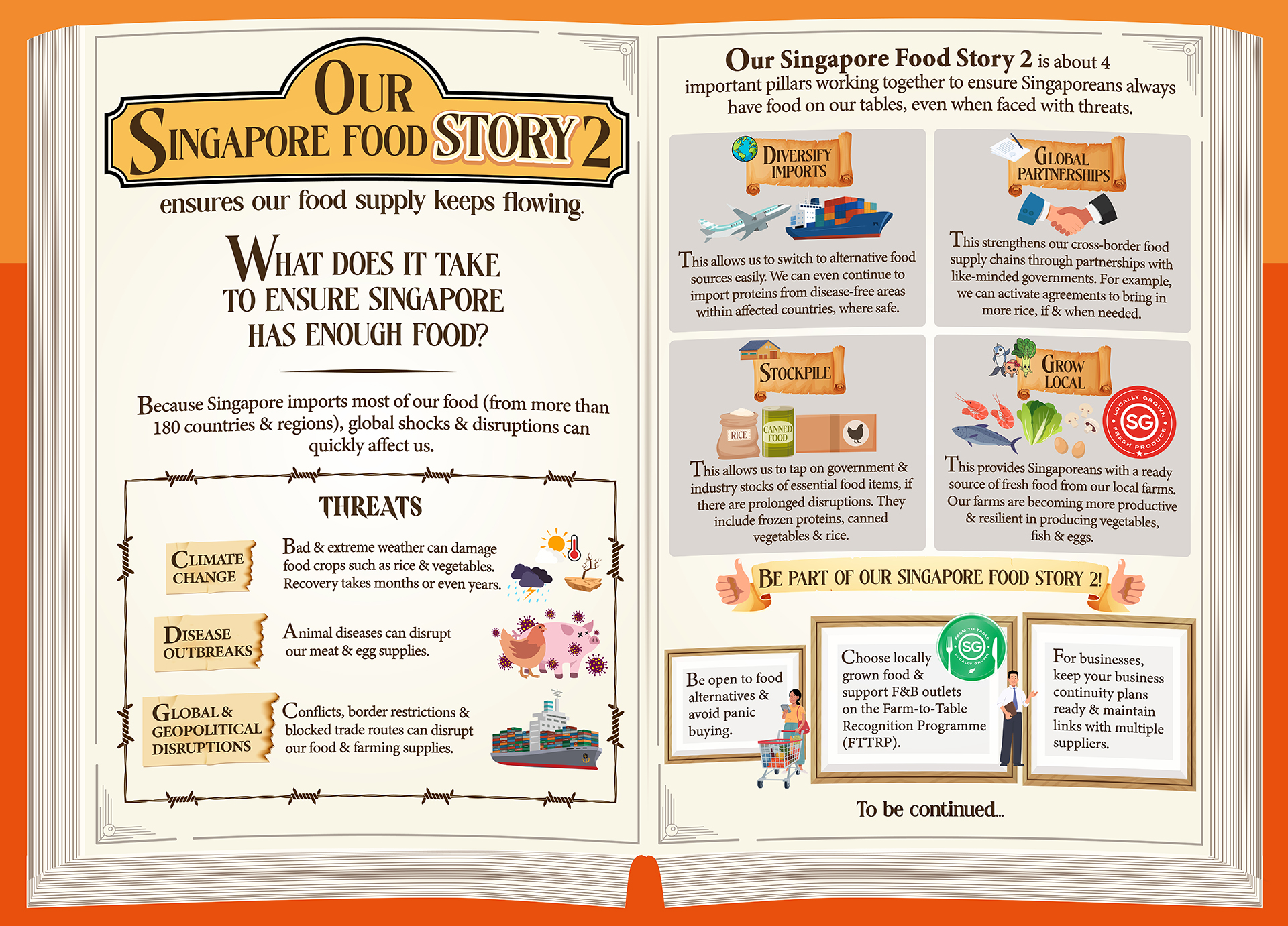
Our Singapore Food Story 2, with its four pillars, gives us options to respond flexibly to a range of different disruptions. This ensures we can meet our essential food needs.
Risks to our food supply
Singapore is a small country that relies heavily on imports. Our food supply is particularly vulnerable to global shocks and disruptions. Disruptions can last from a few weeks to months or even years.


Expand all
1. Climate Change – More frequent extreme weather events, risking food crops

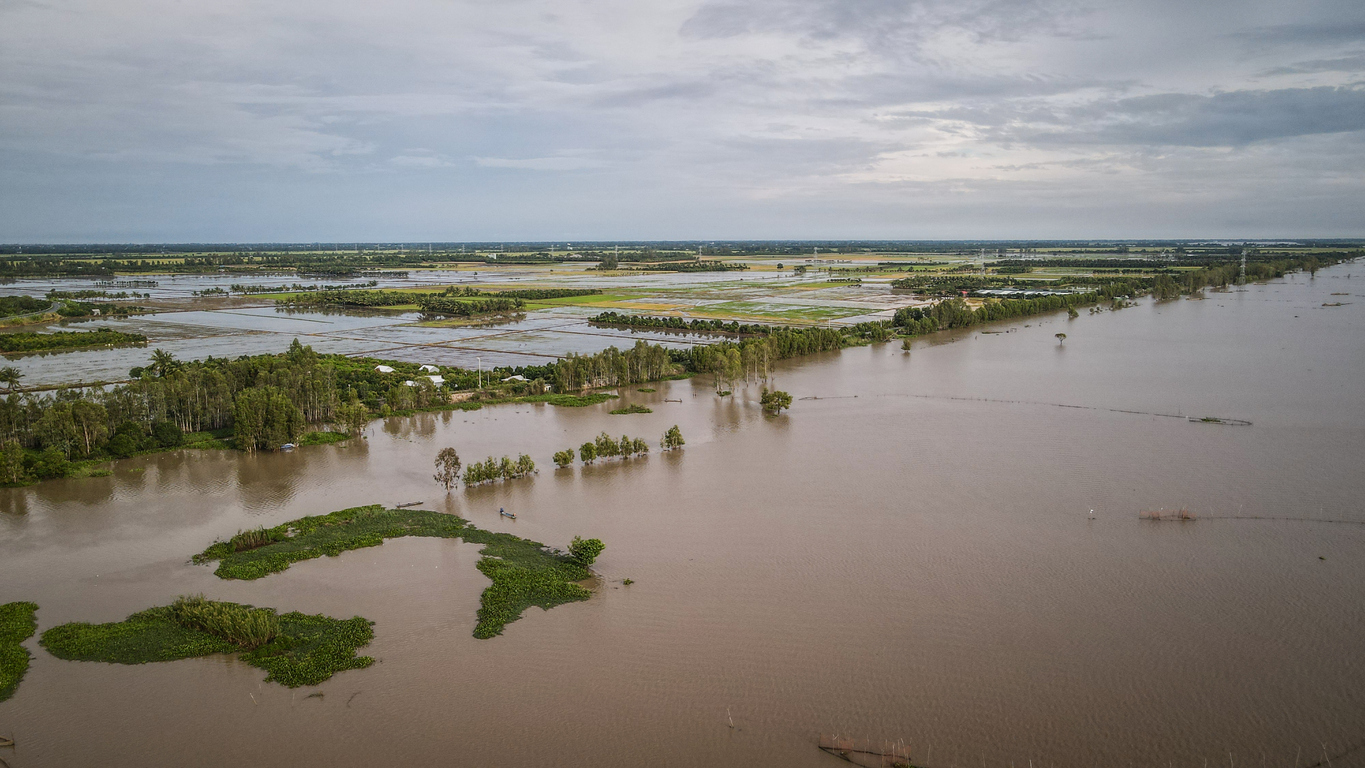
Climate change is causing sea-level rise and more intense droughts which directly affect rice production along the Mekong Delta.
For food items like rice and vegetables, climate impacts like floods, droughts and heatwaves can wipe out entire harvests. Supply shortages may cascade through global food supply chains and affect Singapore. Global shortages can be made more acute when food-producing countries impose export restrictions.
Climate shocks can affect an entire region at once. For example, the rice that we eat is mainly produced in the Mekong region. Rice harvests take months or years to recover, once disrupted. It may be hard to find alternative sources at short notice if the entire Mekong region is affected.
Vegetables, while generally faster-growing, are not immune to climate shocks. Prolonged hot and dry conditions, such as during El Niño, can span multiple growing cycles and significantly disrupt yields.
2. Disease Outbreaks – Growing threat of diseases, especially to proteins like meat and eggs
|
An African Swine Fever outbreak in Malaysia led to the culling of infected pigs (2025). This caused live pig prices to surge. |
Bird flu is endemic in parts of Southeast Asia. This means it persists in the region and can reappear periodically. |
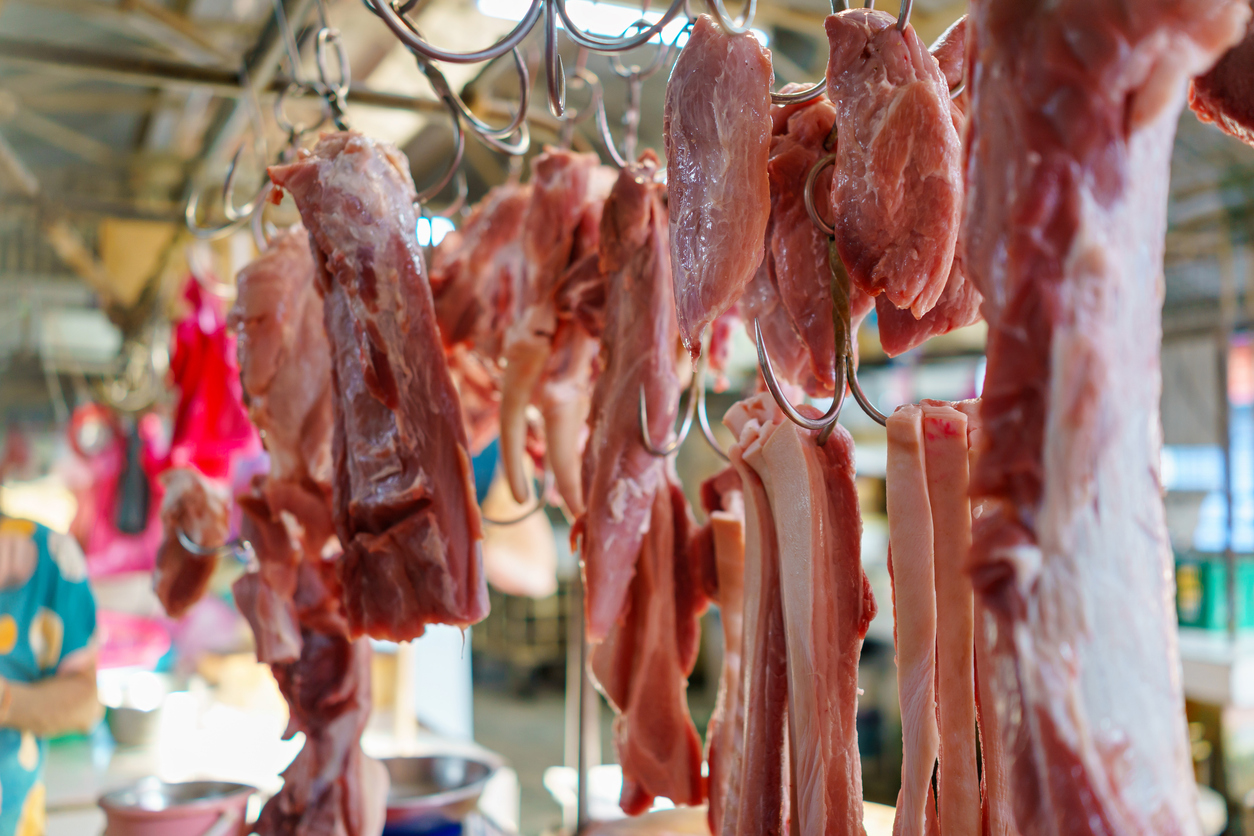
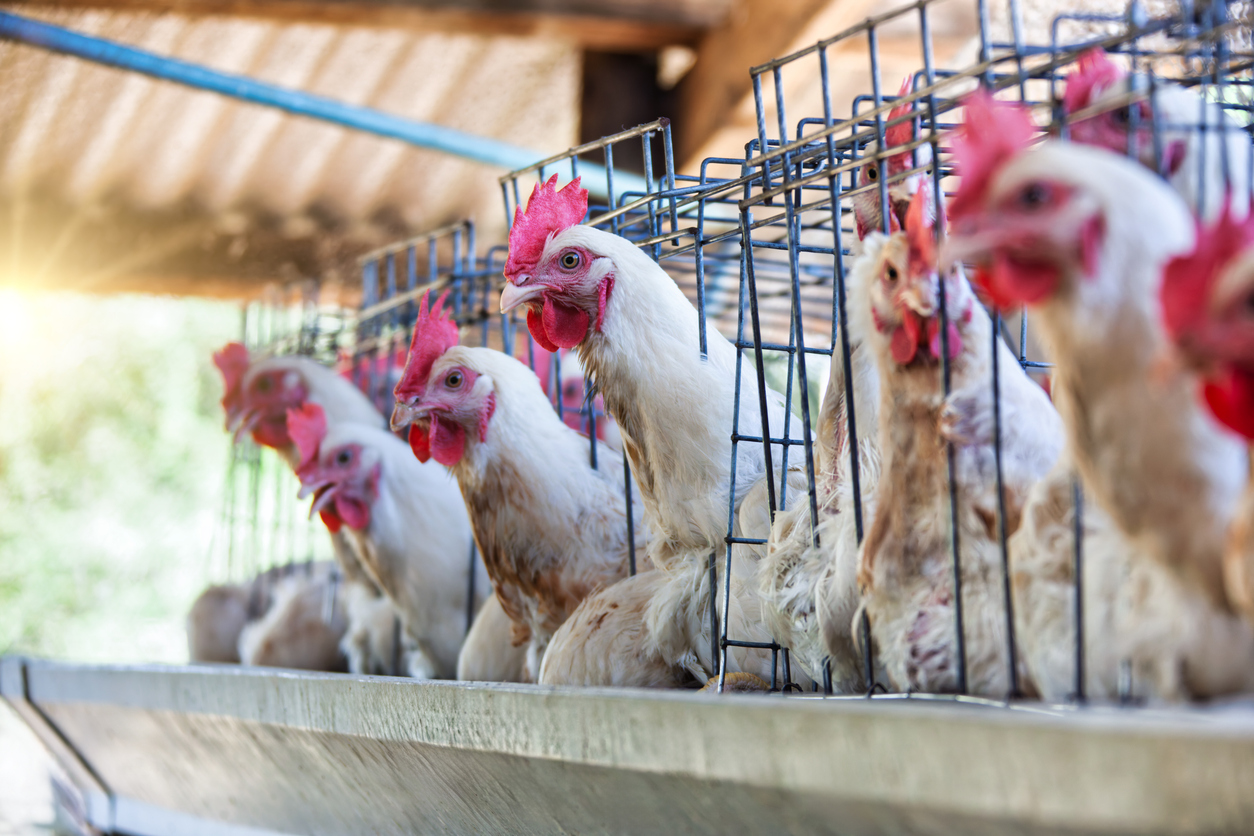
In recent years, animal diseases such as bird flu and African Swine Fever have spread across countries and regions. Higher temperatures due to climate change create favourable conditions for pests and diseases to spread, increasing the risk of outbreaks. Diseases spread across connected borders quickly. When farms are struck, entire flocks and herds may have to be culled to curb the spread. Exporting countries may need to quarantine entire regions or stop exports of affected food items entirely. Some diseases may become endemic over time, causing disruptions to persist or recur.
Unlike crops, livestock take longer to breed and grow. A single disease incursion may disrupt meat supplies over many months or even years.
3. Geopolitical & Supply Chain Disruptions – Events can affect a large range of food items
Disruptions can take different forms.
- Some affect specific routes. For example, the Suez Canal blockage in 2021 affected food exported from Europe to Asia.
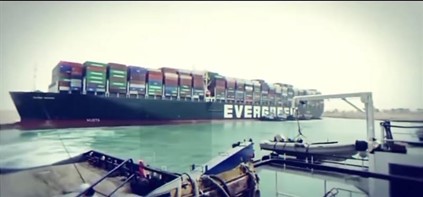
The Suez Canal is one of the most crucial arteries in global shipping, linking Asia and Europe. In Mar 2021, a 400m container ship ran aground and blocked the Canal for six days, causing a backlog of over 400 vessels and months of disruption to shipping schedules.
- Others impact multiple trade routes and transport modalities. COVID-19 border restrictions and closures around the world disrupted a wide range of food items reaching Singapore by both sea and air.
- There may also be secondary effects that play out over time.
- The 2022 Russia–Ukraine conflict led to a shortage of animal feed, which affected protein production in some countries and contributed to export bans in the subsequent months and years.
- Conflict in the Middle East in 2026 has led to the blockade of the Strait of Hormuz, disrupting not just energy, but also fertiliser flows. This could translate to higher logistics cost, lower agricultural yields, and potential food supply disruptions.
Our Singapore Food Story 2 – why it matters
Our Singapore Food Story 2 (SFS2), with its four pillars, gives us options to respond flexibly to a range of different disruptions. This ensures we can meet our essential food needs.
Expand all
1. Diversify Imports – Reduce our source concentration, improve our agility to source in times of need
Singapore imports over 90% of our food, so having multiple sources can help stabilise supply when disruptions occur. Today, Singapore can import food from more than 180 countries and regions, up from about 140 two decades ago.
By sourcing broadly, we can reduce the impact of a disruption and turn to alternative sources more easily when needed.
2. Global Partnerships – Building win-win collaborations
Strong Government-to-Government partnerships with like-minded countries and regions help strengthen existing food supply chains, especially during disruptions.
Partnerships can take different forms, including Government-to-Government agreements and facilitating overseas food production.
3. Stockpile – Our buffer during severe disruptions
Stockpiling essential food items such as rice and meats buys us time and gives us options to restore food flows while sustaining our basic needs during widespread disruptions.
4. Grow Local – Our regenerative source of supply
In a prolonged crisis, stockpiles can run out. Local production is our one source that is regenerative.
More of our farms are moving towards controlled environments, which make them more climate resilient.
We are increasing our capability and capacity to produce fibre and protein food types that can be grown efficiently and at scale locally:
- Fibre food types include fresh leafy and fruited vegetables (e.g. xiao bai cai and okra) as well as beansprouts and mushrooms.
- Protein food types include eggs and seafood (e.g. fish and shrimp).
How our four pillars work together
Expand all
Carbohydrates
- If one source is disrupted, we can work with the industry to source from unaffected countries and regions.
- We can also activate our rice trade agreements with rice exporting countries, to increase food flows in times of need.
- In a prolonged disruption, we can activate industry and government stockpiles.
India’s Non-Basmati Rice Ban (2023)
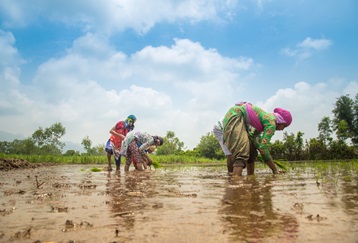
India bans non-basmati rice exports.
In Jul 2023, India – the world’s biggest rice exporter – banned exports of non-basmati rice.
Singapore adapted quickly:
- We engaged Indian authorities and obtained an exemption from the ban to maintain supply flows.
- Importers increased imports of different varieties of rice from multiple different sources.
Proteins
- We can work with the industry to source from unaffected countries and regions, or switch to other forms and types of protein.
- If a disease outbreak occurs in a source country, we can work with its authorities to isolate affected farms under our regionalisation arrangements, allowing continued imports from disease-free areas.
- We can also ramp up local production of eggs and seafood.
- In a prolonged disruption, we can rely on our stockpiles.
African Swine Fever in Pigs from Pulau Bulan (2023)
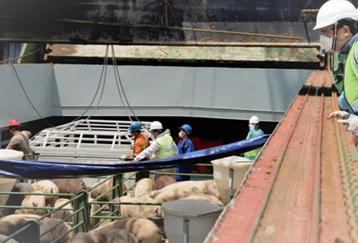
Pigs from Pulau Bulan arriving in Singapore.
In Apr 2023, African Swine Fever was detected in a consignment of pigs from Pulau Bulan, Indonesia. Singapore halted imports to ensure food safety, cutting off a major source of fresh pork overnight – but supply did not collapse
Our Singapore Food Agency (SFA) worked with industry partners like our Meat Traders’ Association to increase supplies of chilled and frozen pork from other countries. Consumers could still choose chilled or frozen pork from more than 20
sources such as Australia, Brazil, Denmark, and New Zealand, as substitutes for fresh pork. Live pig imports from Sarawak – approved years earlier – were quickly ramped up.
Avian Influenza outbreak in Brazil (2025)
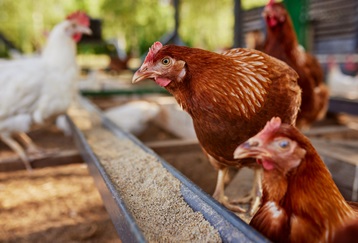
In May 2025, bird flu was detected on a poultry farm in Brazil.
Although we did not have poultry imported from the affected farm, Singapore was still able to import chicken from unaffected areas in Brazil due to our regionalisation agreements.
Vegetables
- Singapore has a diversified supply of vegetables from over 100 countries and regions.
- For leafy greens which are more perishable and harder to source from afar, our local farms can ramp up production to provide a buffer in times of need.
When heavy rainfall affected vegetable supply
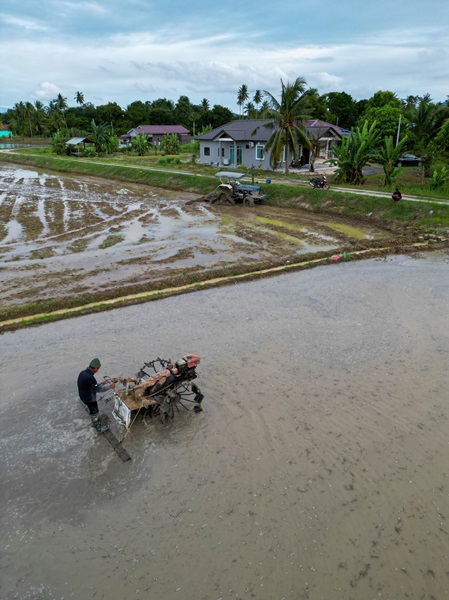
Heavy rainfall impacted crop-producing areas in Melaka and Cameron Highlands (2022).
In 2022, prolonged heavy rain in parts of Malaysia depleted crop yield from many vegetable farms. This reduced the supply of vegetables to Singapore.
Heavy rain also meant that vegetables were often of poorer quality and spoiled more quickly.
Our industry responded swiftly. Importers sourced vegetables from alternative countries. Locally grown vegetables also helped to cushion the supply.
Strengthening our four pillars
Our strategies have helped us weather past disruptions and emerge stronger.
Expand all
Diversify Imports
SFA has been working with exporting countries and regions and the food industry to:
- Open new import sources such as by accrediting countries for food items with higher food safety concern (e.g. meats, eggs). In the past five years, we have opened up more than 10 new sources of such food.
- Connect local food importers with overseas businesses. For example, in 2026, SFA facilitated engagements between Singapore’s Meat Traders’ Association and meat producers in Peru, Paraguay and Chile during a visit to South America. These connections can help introduce new food flows into Singapore over time.
New import sources for meat and eggs
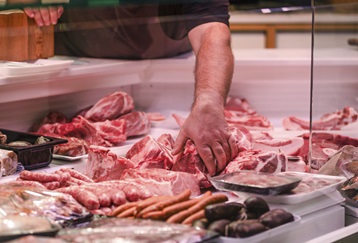
Greece, Lithuania, and Latvia have been added as new import sources for meat and egg.
SFA approved meat and egg imports from Greece, Lithuania, and Latvia in Apr 2026, bringing the number of approved European Union food sources to 18 member states, up from 15 countries.
Global Partnerships
Singapore continues to actively explore collaborations with partners, including:
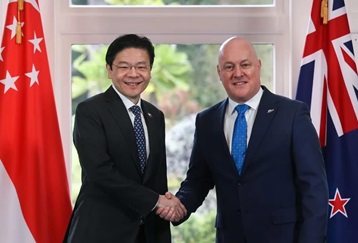
- Agreements with major food producers such as New Zealand to keep essential supplies flowing in times of crisis.
- Rice trade agreements with Cambodia, Thailand, and Vietnam to ensure steady supply and bring in more rice, when needed.
- Joint feasibility study with Brunei for an Agri-Tech Food Zone, starting with aquaculture.
- ASEAN Ministers Statement on safeguarding food security and supply chains.
Singapore and New Zealand signed the Agreement on Trade in Essential Supplies (May 2026) to keep essential supplies flowing, even in times of crisis. |
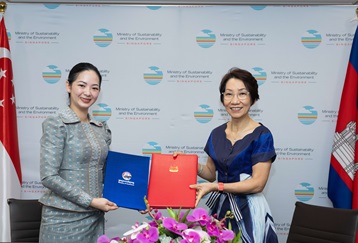 | 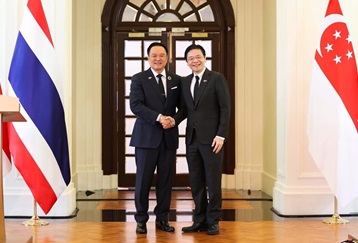 | 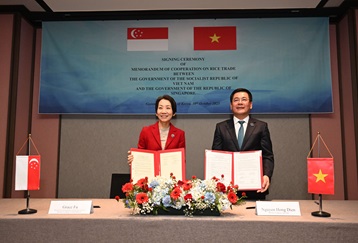 |
Singapore signed rice trade agreements with Cambodia, Thailand, and Vietnam, ensuring a stable rice supply and the option to activate additional rice supplies when needed.
Stockpile
Over time, we have expanded our stockpiles to cover all three key food groups – carbohydrates, protein, and fibre.
We work closely with the industry to maintain these stockpiles, focusing on items with longer shelf-life, including rice, frozen protein, and canned vegetables.
|
|
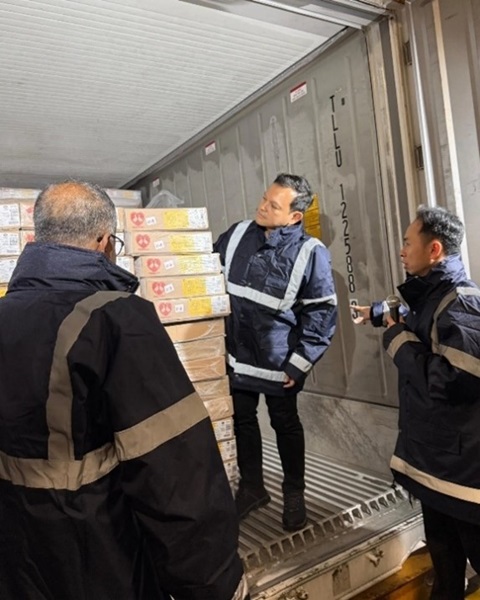
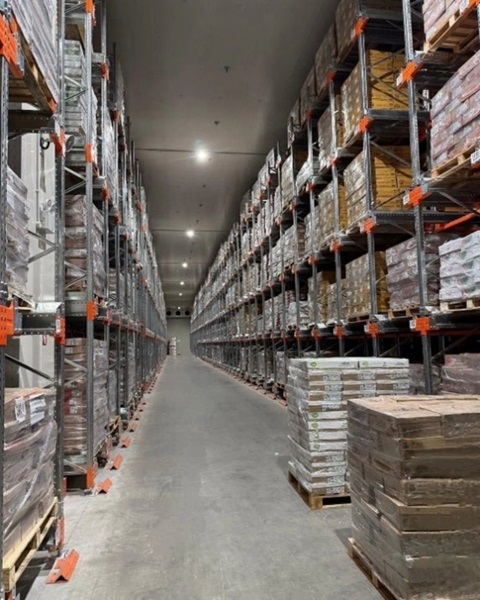
Mr Zaqy Mohamad, then-Senior Minister of State for Sustainability and the Environment, at YCH Group, one of our national stockpile warehouses.
Grow Local
SFA is supporting our farms to become more productive, resource-efficient, and climate-resilient through initiatives including:
- Agri-Food Cluster Transformation (ACT) Fund: Enables farms to adopt technologies ranging from simple, small-scale technologies – such as LED grow lights, automated feeders, and irrigation systems that reduce manual labour – to large-scale climate-controlled farming systems that ensure year-round production regardless of weather.
- Pilot multi-tenanted facility for agri-food production: Depending on a feasibility study, the government is looking to build a facility that will provide shared infrastructure and services which could lower costs for farms.
Support from the Agri-Food Cluster Transformation (ACT) Fund
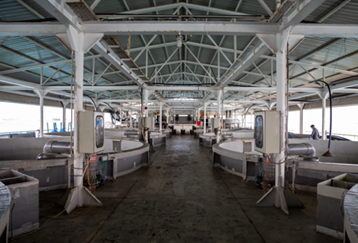
Photo of Singapore Aquaculture Technologies
With support from the ACT Fund, Singapore Aquaculture Technologies adopted a closed containment aquaculture system instead of conventional open cage fish farm technologies. The outcome? It now operates at three times the productivity of conventional sea-based fish farms and faces lower risk from environmental hazards such as algal blooms.
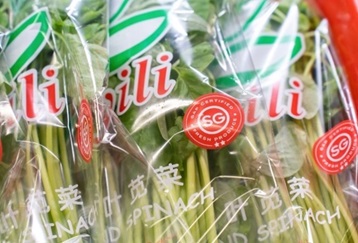
Spinach from Yili Farm
Another beneficiary of the ACT Fund is Yili Farm, which upgraded its cultivation systems to optimise layout, improve crop protection, and integrate with its centralised nursery and irrigation system. This led to faster crop cycles and a 20% increase in productivity.
Food resilience is a shared responsibility
Our Singapore Food Story 2 can only succeed if everyone does our part – Government, businesses, consumers.
Expand all
A whole-of-nation effort
A whole-of-nation effort
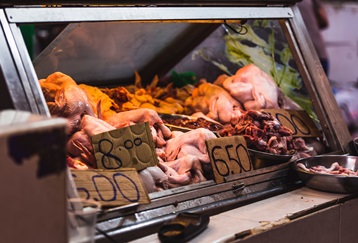
When Malaysia banned chicken exports in Jun 2022 to address its own domestic shortage, Singapore lost a key source of fresh chicken.
Fortunately, the impact was mitigated quickly because everyone did their part.
- SFA accelerated the accreditation of new sources.
- Businesses worked closely with SFA to expedite imports of chilled chicken from other source such as Australia and Thailand.
- Hawkers and market stallholders, worked closely with SFA to switch from fresh chicken to alternative sources, with support from our Meat Traders’ Association.
- Importantly, consumers adapted by choosing frozen poultry and other meats.
Today, Singapore imports chicken from more sources than before.
How to play your part?
- Stay flexible & adaptable
- Not all our preferred food brands or forms will always be available. Let us be open to alternatives – whether it is trying different sources or choosing frozen instead of chilled or fresh options.
- During disruptions, stay calm and avoid panic buying. A resilient mindset will tide our community through disruptions.
- Be prepared, not reactive
- Businesses can strengthen business continuity plans and keep options open by maintaining warm links with multiple suppliers.
- Households can buy and keep a reasonable amount of non-perishable essential food items for emergencies.
- Support local
- Choose locally grown food when we can – when grocery shopping or dining at F&B outlets on the Farm-to-Table Recognition Programme (FTTRP).
- Your choices make a difference – every purchase helps our farms stay viable and contributes to our collective food resilience. Local produce is also fresher and more sustainable as they incur less logistics miles, and local vegetables are increasingly pesticide-free.
Building food resilience early
Building food resilience early
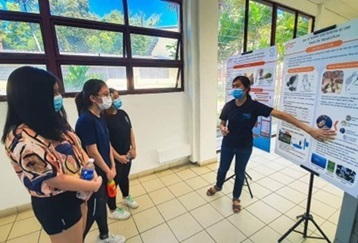
Engaging young minds early: James Cook University Singapore students attend a learning journey session at the Marine Aquaculture Centre.
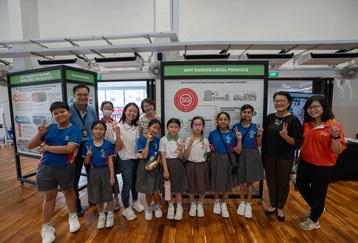
Ms Goh Hanyan, Senior Parliamentary Secretary, Ministry of Sustainability and the Environment, Mr Damian Chan, Chief Executive Officer of SFA, and Naval Base Primary School students visiting SFA’s booth at the Go Green SG 2026 launch.
SFA is building food resilience early by engaging students and communities through education and outreach.
Through talks and interactive sessions, students learn where our food comes from, the risks to our food supply, how Singapore
stays prepared, and how they can play their part.
SFA also organises behind-the-scenes learning journeys (e.g. visit to the National Centre for Food Science) and guided tours in collaboration with local farms, as part of the annual Go Green SG movement.
These help members of the public, including youth and young children, gain a deeper understanding of our farms and the role they play in Singapore’s food resilience.

Top

